

Appointments
+(603) 5515 1966
General Line
+(603) 5515 1888

 November 22, 2025

Pregnancy is a beautiful journey, but it also comes with moments that can feel worrying. One common concern many expectant mothers face is noticing a small amount of bleeding or spotting.
The big question is: Is it normal to have blood spotting during pregnancy? The answer is not always straightforward, as it can sometimes be harmless, but in other cases, it may signal that medical attention is needed.
At Avisena Women’s & Children’s Specialist Hospital, our women’s health specialists are here to guide you with clear, reliable information to help ease your worries and keep both you and your baby safe.
Spotting refers to light bleeding from the vagina that’s much lighter than a period. It usually appears as pink, brown, or light red streaks or spots on your underwear or tissue after wiping.
So, is it normal to have blood spotting during pregnancy? In many cases, yes especially during the first trimester.
Bleeding or spotting can occur in pregnancies and may have different causes and implications, making it important to distinguish between light spotting and heavier bleeding.
Spotting and bleeding are common experiences across many pregnancies, but it is always best to consult a healthcare provider to ensure everything is progressing normally.
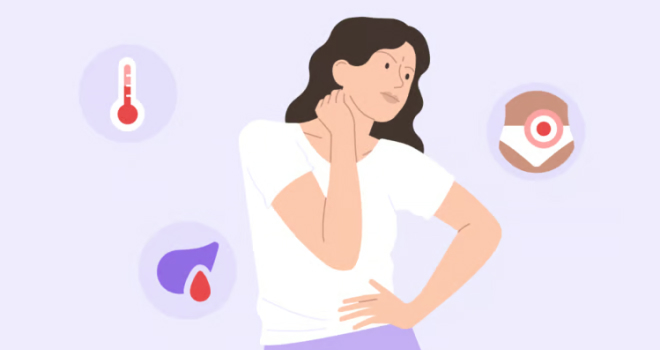
“Studies suggest that up to 20 – 30% of women experience some form of spotting in early pregnancy.”
There are several causes of bleeding during pregnancy, and while spotting can be alarming, it isn’t always a sign of a problem. Some normal and harmless causes include:
Light spotting is often manageable with a panty liner, but heavier pregnancy bleeding may require medical attention. Understanding the difference between light spotting and more serious pregnancy bleeding is important. In these cases, spotting is generally harmless. But knowing when spotting is not normal is equally important.
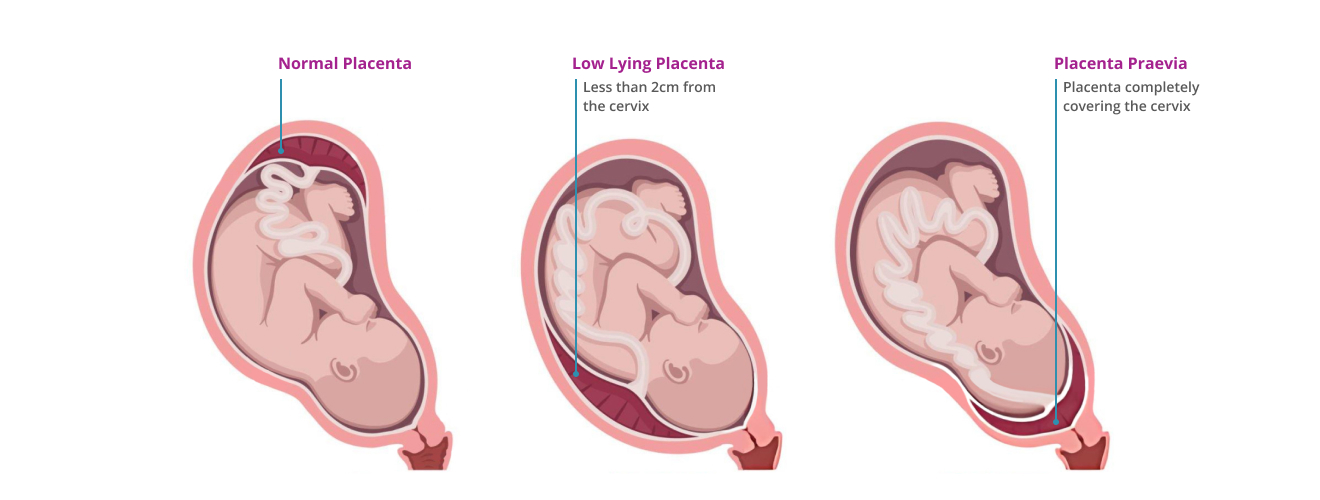
A low-lying placenta, also known as placenta praevia, is a condition where the placenta forms near or covers the cervix during pregnancy. When the placenta covers or is close to the cervix, it can disrupt normal blood flow and lead to vaginal bleeding.
This bleeding during pregnancy can range from light spotting (just a few drops on your underwear or toilet paper) to heavy bleeding that may require urgent medical attention. Light spotting from a low-lying placenta may occur after physical activity, sexual intercourse, or sometimes without any clear trigger.
However, placenta praevia can also cause sudden, heavy bleeding that is potentially life-threatening for both the mother and the unborn baby. The risk of serious complications increases as the pregnancy progresses, especially in the second and third trimesters.
If you are diagnosed with a low-lying placenta, your doctor will closely monitor your pregnancy to help protect your health and your baby’s well-being. Always report any bleeding, whether it’s light spotting or heavy bleeding, to your healthcare provider right away. Early detection and proper care are essential when dealing with placenta praevia.
While light spotting may be part of a normal pregnancy, there are times when it should not be ignored. Bleeding during early pregnancy is a common time for complications to arise. Seek medical care immediately if spotting is accompanied by:
Miscarriages occur most often in early pregnancy, and most miscarriages happen within the first 12 weeks of pregnancy. Other symptoms such as pain, dizziness, or fever may accompany bleeding. These symptoms can indicate a serious problem, and in some cases, a serious condition such as placental abruption, which involves the premature detachment of the placenta from the uterine wall and can cause heavy bleeding and abdominal pain, may be the cause.
Other signs to watch for include severe pain, shoulder pain, or sudden weakness. In rare cases, a rare condition like vasa praevia can cause bleeding and pose serious risks to the baby. These symptoms may point to conditions such as miscarriage, ectopic pregnancy (where a fertilised egg implants outside the uterus), or placental complications.
Bleeding can occur at any stage, but is most common in the first 12 weeks of pregnancy. If you are less than 12 weeks pregnant and experience these symptoms, it is especially important to seek urgent advice. To determine the cause, your doctor may recommend a test such as blood tests to check hormone levels, an ultrasound scan to assess fetal development, or a vaginal examination.
Vaginal examinations may be performed to further assess the situation. Treatment and treatments will be tailored to the underlying cause, and may include monitoring, medication, or other interventions. So, if you’re wondering, is it normal to have blood spotting during pregnancy? – The key lies in the amount, timing, and accompanying symptoms.

Every pregnancy is unique. Even though spotting is common, it’s better to seek expert advice rather than rely on guesswork. A physical examination may also be performed as part of the assessment. If you’re experiencing spotting that feels unusual or is accompanied by pain or heavy bleeding, don’t wait and go see your doctor.
At Avisena Women’s & Children’s Specialist Hospital, we are dedicated to supporting women through every stage of pregnancy with compassionate care and medical expertise.
Spread the love, follow us on our social media channels